
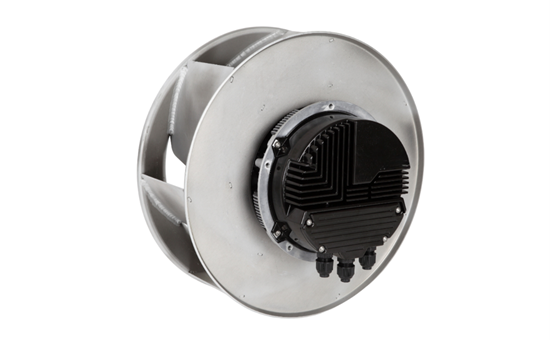
In modern manufacturing, managing operational costs is a constant challenge, and electricity bills often represent a massive portion of overhead. Industrial ventilation, exhaust, and material handling systems run continuously, consuming vast amounts of power. However, facilities looking to optimize their energy usage without sacrificing performance are increasingly turning to advanced aerodynamic solutions.
Upgrading to high-efficiency centrifugal fans is one of the most effective ways to drastically reduce a factory’s daily power consumption. Here are how these dynamic systems help facilities cut energy costs while maintaining peak operational output.
1. Advanced Aerodynamic Blade Design
Not all fans are created equal when it comes to energy consumption. Centrifugal fans, specifically those utilizing backward-curved or aerofoil blade designs, are engineered to achieve peak aerodynamic efficiency. These specific blade profiles allow the fan to move large volumes of air against high static pressure with minimal air turbulence. Because there is less aerodynamic drag and resistance, the electric motor does not have to work as hard, resulting in a significantly lower continuous power draw compared to older, less efficient fan types.
2. Seamless Integration with VFDs
One of the biggest wastes of electricity in a factory is running a motor at 100% capacity when the actual airflow demand is much lower. Centrifugal fans are highly compatible with Variable Frequency Drives (VFDs). A VFD automatically adjusts the fan motor’s speed to match the exact real-time airflow requirements of the facility. By slowing the fan down during off-peak production hours or during lighter material processing, factories can reduce their fan energy consumption by up to 50%, generating immediate and substantial savings on utility bills.
3. Precision Sizing and Customization
A primary cause of energy waste is utilizing an improperly sized fan. An oversized fan consumes unnecessary power, while an undersized fan will overexert itself, leading to rapid wear and high electricity usage. Working with a dedicated industrial centrifugal fan manufacturer ensures that your equipment is precisely engineered for your specific pressure and volumetric requirements. Custom engineering means the fan operates exactly at its Best Efficiency Point (BEP), maximizing the work done per kilowatt of electricity consumed.
4. Relying on the Right Partner
To truly achieve these energy-saving benefits, the build quality and engineering behind the equipment must be flawless. While there are many generic centrifugal fan suppliers on the market, true energy optimization requires specialized expertise. Kohmer stands out by designing heavy-duty, meticulously balanced centrifugal fans that are engineered specifically for energy efficiency and industrial longevity. By utilizing premium-grade materials and advanced aerodynamic modelling, Kohmer ensures that every fan they produce delivers maximum airflow while minimizing your factory’s electrical footprint.
Start Saving on Your Factory’s Energy Bills Today!
Stop letting inefficient ventilation systems drain your operational budget. Upgrade to a system engineered for maximum performance and minimum power consumption. Contact Kohmer today to consult with our airflow experts and request a custom-built, energy-efficient centrifugal fan solution tailored perfectly to your factory’s daily needs!
Frequently Asked Questions
How do centrifugal fans save energy in factories?
Centrifugal fans use advanced aerodynamic blade designs to minimize air turbulence. This reduces the motor workload, which significantly lowers continuous electrical power consumption during all heavy daily factory operational hours.
What is the role of a VFD in reducing power usage?
A Variable Frequency Drive adjusts the centrifugal fan motor speed to perfectly match real time airflow demands. By slowing down during idle hours, factories can safely cut overall power usage.
Why is custom fan sizing important for energy efficiency?
Custom sizing ensures the fan operates exactly at its Best Efficiency Point. Oversized fans waste electrical energy, while undersized units overexert themselves. Precision engineering maximizes airflow per consumed electrical kilowatt.
Are all centrifugal fans equally energy-efficient?
No, overall efficiency heavily depends on the specific blade profile and manufacturing quality. Aerofoil and backward curved blades are far more efficient than standard radial blades for moving factory air.
How does proper maintenance impact fan power consumption?
Routine maintenance prevents dust build-up and bearing friction, which force the motor to draw excess power. Regular cleaning and proper lubrication ensure the fan maintains peak aerodynamic and electrical efficiency.